Which Van Upgrades Actually Hold Their Value — And Which Ones Scare Buyers Away
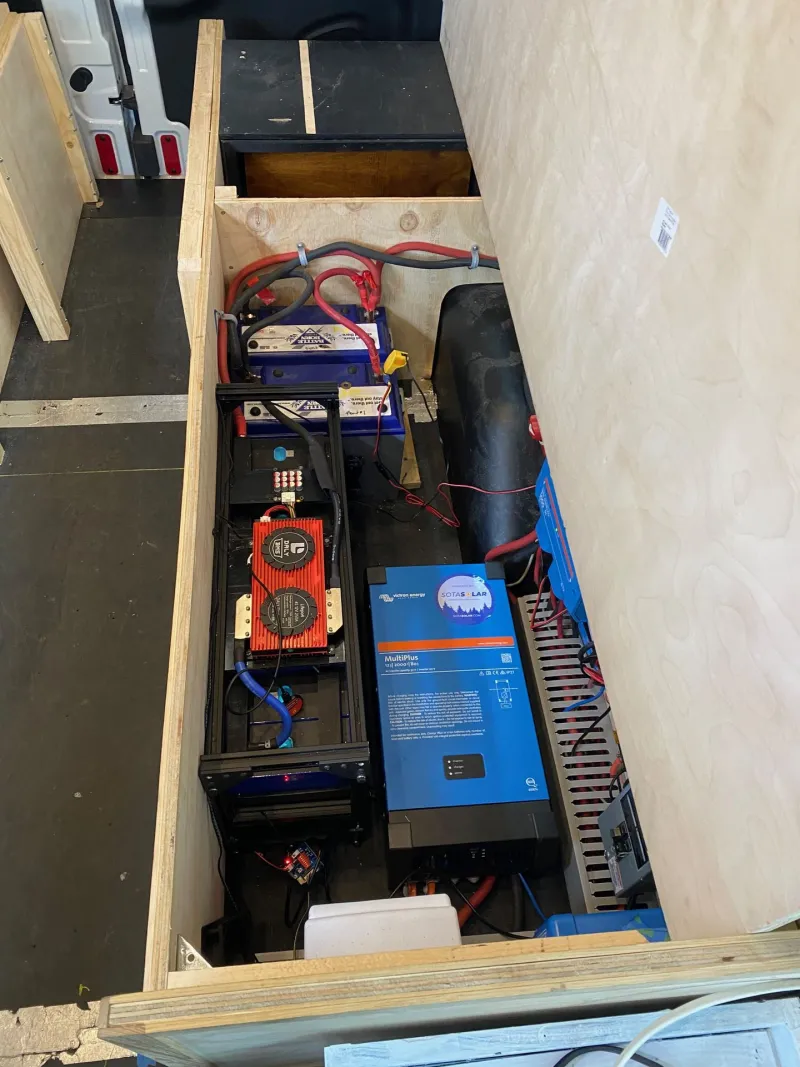
Photo: custom van interior conversion electrical system solar panels professional build, via sotasolar.com
There's a moment every van seller eventually faces. You've spent months — sometimes years — building something you're genuinely proud of. You know every wire, every panel seam, every carefully chosen component. Then you list it, and the offers come in way lower than you expected. Or worse, nobody calls at all.
The hard truth is that the used van market doesn't care how much you spent. It cares about what the next person can actually use. And those two things don't always line up.
We dug into this with people who've been through it: used van dealers in Colorado and Oregon, a couple of conversion specialists who've built dozens of rigs, and a handful of sellers who learned some expensive lessons firsthand. Here's what they told us.
The Instagram Problem Is Real
Let's start with something that might sting a little. The features that get the most engagement online are often the features that make practical buyers hesitate the most.
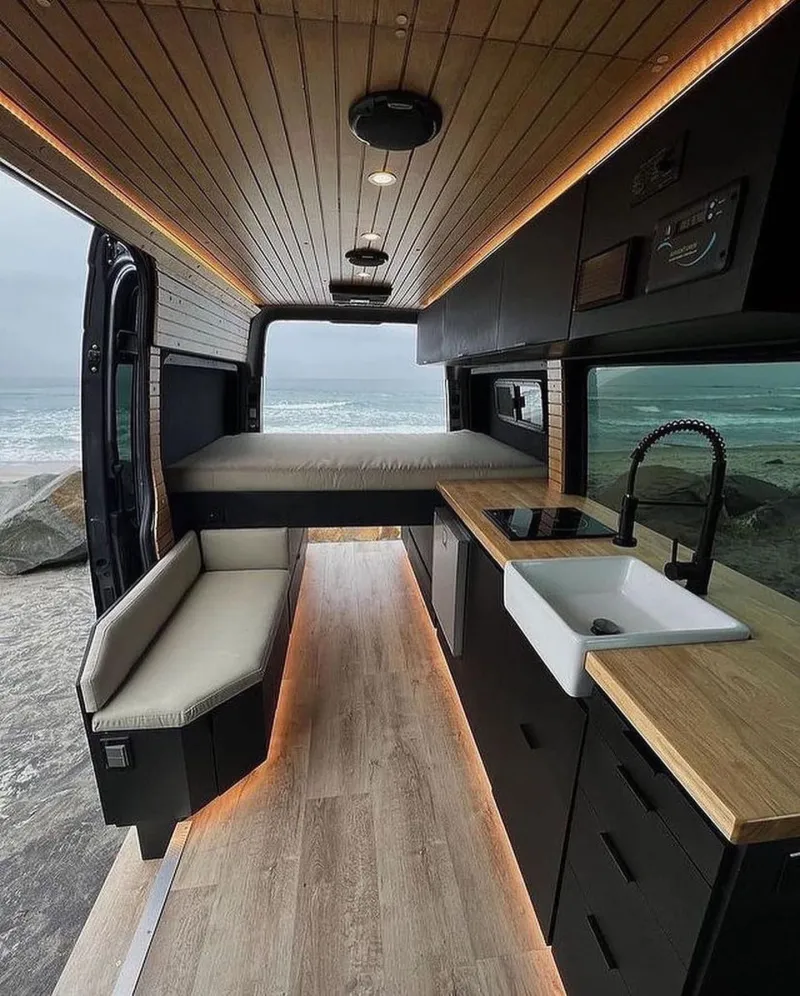
A stunning herringbone wood ceiling looks incredible in photos. A full tile backsplash behind the kitchen area photographs beautifully. A curved, hand-built cabinetry setup with integrated mood lighting is genuinely impressive craftsmanship. But when a buyer walks up to that van and starts thinking about weight, moisture, maintenance, and how they'd actually use the space, a lot of that visual appeal starts working against you.
"I've had rigs come through here that were absolutely gorgeous," said one Denver-based dealer who moves around 30 to 40 converted vans a year. "And they sit. The people who can afford to buy a premium van are usually pretty practical. They see a tile floor and they're thinking grout cracks, water damage, extra weight. They see a complicated lighting system and they're wondering what happens when something shorts out in the middle of nowhere."
This doesn't mean your build needs to be boring. It means the difference between form and function matters more on the resale market than it does on social media.
The Systems Buyers Actually Respect
So what does hold value? Consistently, the answer comes back to electrical and mechanical infrastructure.
A well-documented lithium battery system — especially one with a clean, accessible setup and a clear spec sheet — commands serious attention from informed buyers. Same goes for quality solar installs. Not just the panels, but the charge controller, the inverter, the wiring gauge, the fusing. Buyers who know what they're looking at will pay more for a system done right. And buyers who don't know will often have someone check it for them before committing.
"I tell every client: spend money where you can't see it," said a conversion specialist based outside of Portland who's been doing builds for eight years. "A $4,000 electrical system is worth more on resale than $4,000 in custom wood trim. Every time."
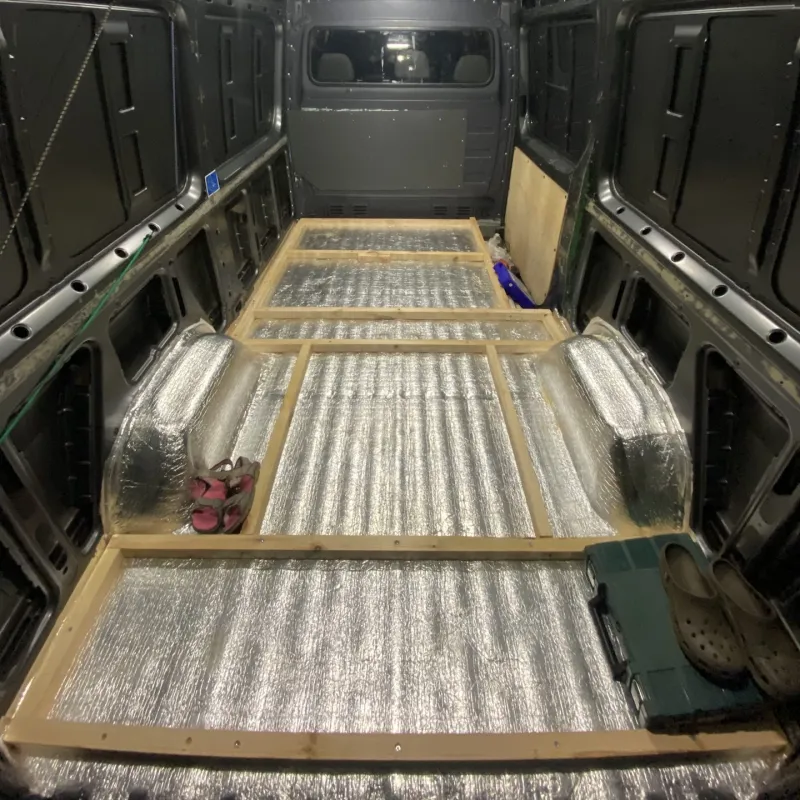
Proper insulation is another one. Spray foam done correctly, or a thoughtful combination of Thinsulate and rigid foam board, is something buyers increasingly know to ask about. It affects livability in ways that show up every single day. A van that stays comfortable in a wider range of climates is genuinely more useful, and the market is starting to price that in.
Heating systems — particularly diesel heaters like Webasto or Espar units — are consistently cited as value-preserving additions. They're durable, well-understood, and solve a real problem. Buyers recognize the brand names and know what they're getting.
What Quietly Tanks Your Asking Price
Beyond the Instagram-worthy aesthetics, there are some specific choices that used van buyers and dealers flag as red flags.
Highly personalized layouts. A bed that only works for someone under 5'8". A desk that's built into a corner that makes no sense for a different workflow. A kitchen setup optimized for one specific cooking style. The more a build is tailored to you, the smaller the pool of buyers who'll see themselves in it.
Unconventional base vehicles. Extended wheelbase, high-roof Transits and Sprinters in the standard cargo configuration are the easiest to sell. The moment you get into unusual trim levels, older body styles, or high-mileage chassis, your buyer pool shrinks regardless of how good the conversion is.
DIY electrical that's hard to verify. This one comes up constantly. If a buyer can't easily trace your wiring, understand your system, or get a mobile electrician to give it a thumbs up, they're going to factor in the cost and risk of redoing it. Clean, labeled, documented wiring is worth more than expensive wiring that looks like a mystery.
Permanent modifications to the vehicle itself. Roof cuts, structural changes, and anything that can't be reversed without significant work tend to narrow your market. Some buyers are fine with it. Many aren't.
How to Future-Proof While You're Still Building
If you're in the planning or mid-build phase, there are a few principles worth keeping in mind.
Build modular where you can. Furniture that can be reconfigured or removed gives the next owner flexibility. That flexibility has value. A fixed queen bed platform might be perfect for you, but a buyer with a different sleep setup suddenly has to weigh renovation costs against your asking price.
Document everything. Keep receipts, take photos during the build, write down your system specs. A binder or even a Google Drive folder with your build documentation is something dealers genuinely appreciate — and it signals to buyers that you were serious and methodical about the work.
Choose neutral finishes. Light wood tones, white or grey walls, simple hardware. These aren't exciting choices. They're smart ones. They let buyers picture themselves in the space rather than feeling like they're moving into someone else's very specific aesthetic.
And if you're going to splurge on something visible, make it a quality appliance — a real propane stove, a compressor fridge from a recognized brand, a proper sink setup with a real pump. These things are recognizable, replaceable, and valued.
The Bottom Line
You can absolutely build a van that's both a joy to live in and a reasonable investment to sell. The key is understanding that the secondary market rewards practicality, reliability, and flexibility — not the features that look best in a grid of Instagram photos.
Build for how you'll actually live. But build with enough restraint and documentation that the next person can see themselves living in it too. That balance is harder to achieve than a beautiful ceiling. But it's the one that pays off when the time comes to move on.