You Spent $80K Building Your Dream Van. Here's Why It's Worth $45K Tomorrow
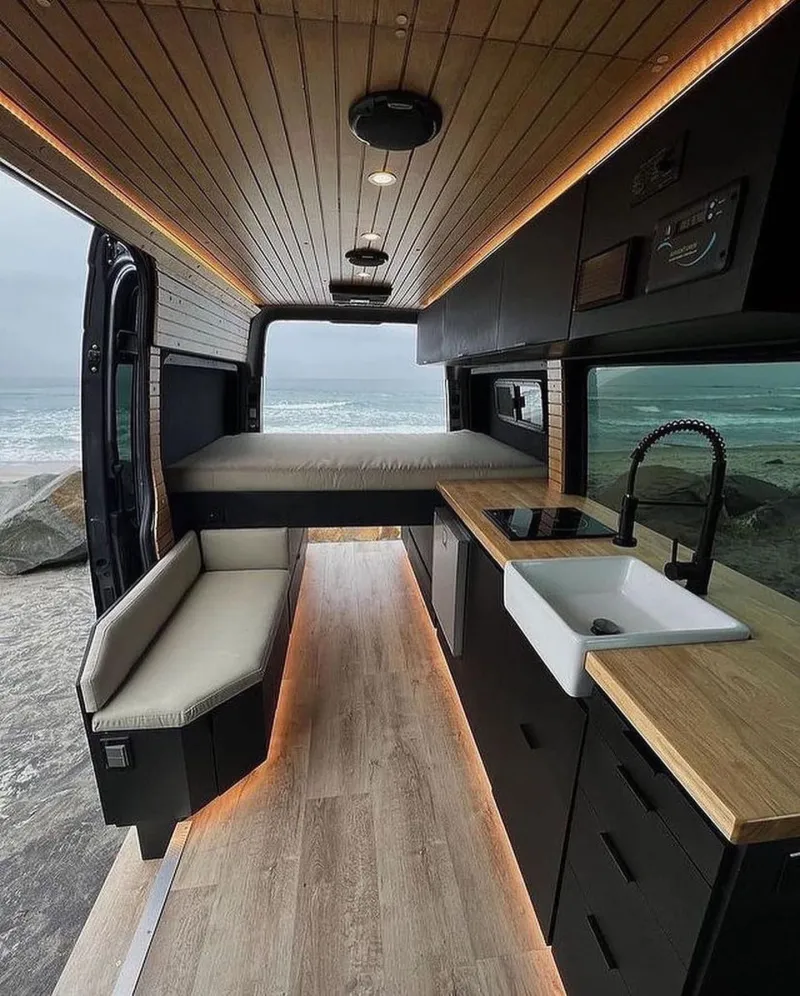
Photo: custom van conversion interior wood cabinets for sale, via i.pinimg.com
The Uncomfortable Math Nobody Talks About
Let's say you spend $80,000 on a custom van conversion. You've got a hand-built walnut cabinet kitchen, a rooftop solar array, a diesel heater, a composting toilet, and a memory foam mattress that cost more than most people's first car. You've documented every step on Instagram. The build is genuinely beautiful.
Now you need to sell it.
If you're lucky—and the timing is right—you might walk away with $50,000. If the market is slow, or if your build is highly personalized, $40,000 isn't out of the question. That's not a knock on your craftsmanship. It's just how the custom van resale market works, and understanding why can save you a lot of heartache.
Why Custom Doesn't Always Mean Valuable
In the traditional real estate world, renovations add value because buyers share broadly similar tastes. A granite countertop appeals to most buyers. A chef's kitchen is almost universally desirable.
Van builds don't work that way.
Every buyer comes with a specific vision. One person wants a standing-height roof and a full bed. Another needs a dedicated workspace with a sit-stand desk. A couple with a dog needs floor space that a solo traveler doesn't care about. When your build doesn't match a buyer's mental blueprint—even if it's objectively better in most ways—they see customization costs they'll need to undo, not upgrades they're gaining.
This is sometimes called the personalization penalty. The more specific your build is to your life, the smaller the pool of buyers who will actually want it as-is.
The Market Has Changed—Fast
During the pandemic van life boom of 2020 and 2021, converted vans were selling at a premium. Demand outpaced supply, buyers were emotionally motivated, and inventory was thin. Stories of people flipping builds for a profit were everywhere.
That window has largely closed.
By 2023, the market had softened considerably. Conversion shops that were backlogged two years out had open slots. The used van inventory on platforms like Outdoorsy, Vanlife Trader, and Facebook Marketplace grew substantially. Buyers had options again, and that shifted leverage back in their favor.
Today's buyer is more educated, more patient, and more price-conscious than the buyer from three years ago. They know what a build should cost, and they're not going to pay a premium just because you love your van.
Depreciation Hits the Base Vehicle Too
Here's a detail that often gets overlooked: the van itself depreciates regardless of what you do to the inside.
A 2019 Ford Transit with 60,000 miles is worth what it's worth. The conversion doesn't reset the odometer or make the engine newer. In fact, some buyers will actually discount a high-mileage van even if the interior is pristine—because they're thinking about what they're inheriting mechanically, not just aesthetically.
High-end conversion components—quality inverters, lithium battery banks, custom cabinetry—do retain some value, but they don't transfer dollar-for-dollar. A $4,000 lithium battery system might add $1,500 to $2,000 to a buyer's perceived value. The labor that installed it? That's largely invisible to them.
What Actually Holds Its Value
Not everything depreciates equally. Certain build choices consistently perform better at resale:
Flexible layouts — Builds with modular or convertible furniture tend to attract more buyers than fixed, single-use configurations. A bed that folds into a seating area, for example, serves more people than a permanent platform.
Recognizable brands — Components from well-known manufacturers (Victron for electrical, Webasto or Espar for heat, ARB for storage) are reassuring to buyers who can research what they're getting. Generic or DIY components introduce uncertainty.
Clean electrical documentation — A well-documented, professionally wired electrical system is a genuine selling point. Buyers are scared of van fires. If you can show them a clean wiring diagram and a quality install, that matters.
Mechanical condition — A van with recent service records, new tires, and a clean maintenance history will always outsell a prettier van with mystery mileage.
Neutral aesthetics — This one stings, but it's true. Builds with broadly appealing finishes (light wood tones, white or gray walls, simple hardware) attract more buyers than bold, highly stylized interiors. Your dark stained walnut and black hardware might be gorgeous, but it's polarizing.
Strategies for Protecting Your Investment
If you're building a van with any thought of eventually selling it, a few decisions upfront can meaningfully protect your return.
Budget for the base van separately. Think of your conversion budget as money you're spending on an experience, not an investment. If you get some of it back, great. If you don't, you've already mentally accounted for it.
Document everything obsessively. Photos of every build stage, receipts for every component, a written description of every system. This builds buyer confidence and justifies your asking price.
Don't over-build for your use case. If you're a weekend warrior who occasionally does two-week trips, you don't need a 400-amp-hour lithium system and a 600-watt solar array. Buyers won't pay for capacity they don't need, but they will pay for a well-executed, appropriately sized build.
Time your sale thoughtfully. Late winter through early spring is typically when demand peaks—buyers are planning summer adventures. Listing in October means competing with a less motivated buyer pool.
The Honest Bottom Line
Van conversions are, first and foremost, a lifestyle investment. The value you get out of a well-built van—the trips, the flexibility, the freedom—is real and meaningful. But treating a custom build like a financial investment that will appreciate or break even is setting yourself up for disappointment.
The people who fare best at resale are the ones who built smart, documented well, and went in with realistic expectations. They didn't chase trends or over-personalize. They built something that would appeal to more than just themselves.
Build for your life. Just don't forget that someone else's life comes next.