Alone on the Road: What Solo Van Life Actually Feels Like When the Feed Goes Dark
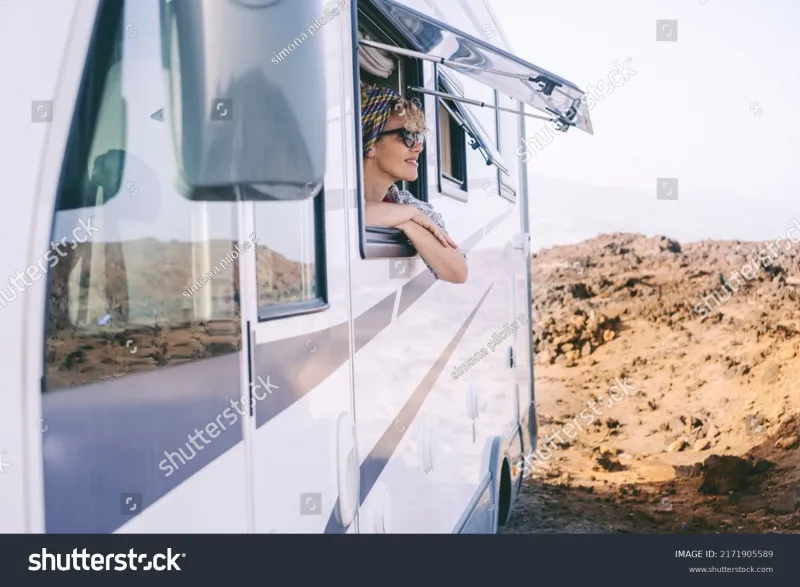
Photo: person sitting alone in van doorway looking at landscape solo travel candid, via www.shutterstock.com
Scroll through van life content for about ten minutes and a pretty consistent picture emerges. Solo traveler, golden hour light, a mug of coffee in a doorway overlooking something spectacular. The caption is something about freedom and intentional living. The comments are full of people saying they want that life.
What you don't see is what happened the night before. Or the week before that.
We reached out to people living alone in their vans — not influencers, not people building a brand around the lifestyle, just regular folks who made the decision and are living with it — and asked them to be honest. What they shared was more complicated, more human, and honestly more interesting than anything in a highlight reel.
"There Are Days I Don't Talk to Anyone"
Marcus, 34, left his apartment in Nashville two years ago after a job ended and a long-term relationship did the same. He'd been following van life content for a while and decided to just do it. He bought a used Transit, did a basic build himself, and hit the road.
"The first three months were genuinely amazing," he said. "I was in a new place every week. Everything felt exciting. I was posting stuff online and people were responding and it felt like I was living this great life."
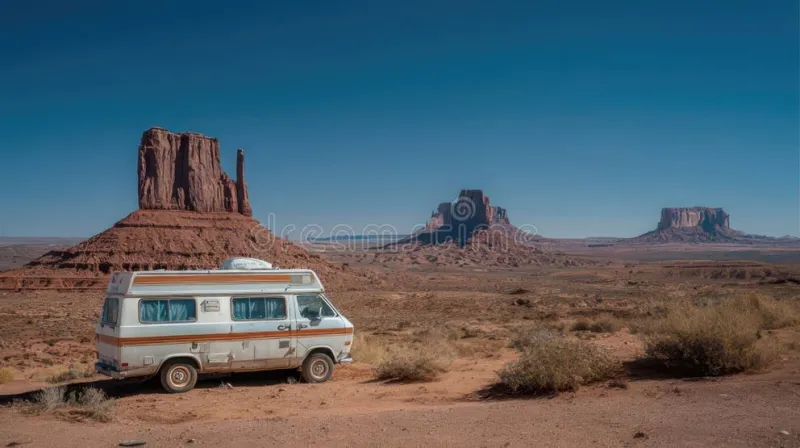
Then winter came. He was parked outside of Flagstaff, Arizona, and a storm rolled in that kept him stuck for four days.
"I didn't leave the van. I had food. I had propane. I was fine physically. But I went three days without talking to a single person. And by day four I was in a pretty dark place mentally. That part doesn't make it into the posts."
Loneliness is the thing solo van dwellers mention first, almost universally, when you ask them to be honest. Not all the time. Not every day. But it shows up, and it shows up harder than most people expect.
Kira, 28, has been living in her Dodge ProMaster for about 18 months. She works remotely as a graphic designer and has built what she describes as a genuinely comfortable rig. She's also thoughtful about the mental health dimension of solo van life in a way that took her a while to develop.
"I had to build a real routine around connection," she said. "Phone calls with family, making myself go into coffee shops and actually talk to people, finding van life meetups when I could. The people who think they can just be alone all the time and thrive — most of them burn out."
When Something Goes Wrong and There's Nobody There
Mechanical emergencies alone are their own category of stress. Every solo van dweller has at least one story.
Derek, 41, was driving through rural New Mexico when his alternator died. He had no cell signal. It was 97 degrees outside. He had water, but he was also acutely aware that he was completely alone and nobody knew exactly where he was.
"I sat there for two hours before someone drove by," he said. "Two hours. I was fine. But I was also thinking about what happens if I'd broken down somewhere even more remote. What if I'd been hurt? Nobody would have known where to look."
He now uses a Garmin inReach satellite communicator and checks in with his sister every morning. A lot of solo van lifers eventually land on some version of this system — a daily check-in with someone who knows the plan and will ask questions if they don't hear from you.
Safety concerns come up differently depending on who you talk to. Women living alone in vans deal with a layer of this that men often don't fully account for. Several women we spoke with had developed detailed systems for how they park, how they assess locations, and what they do when a situation feels off.
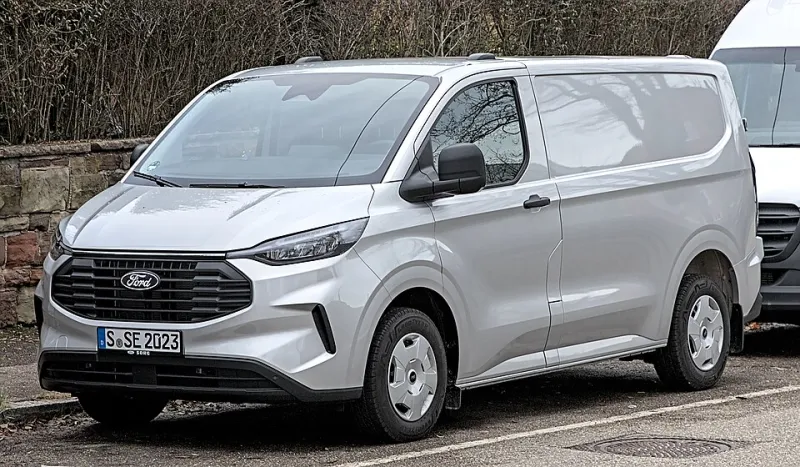
"I don't park in isolated spots alone," said Renee, 31, who's been living in her Ford Transit for just over a year. "I know that limits some of the 'epic' spots. I'm okay with that. I park near other people, near campgrounds, near towns. My safety isn't worth a view."
She also keeps her van looking lived-in but not flashy, avoids posting her location in real time, and has a protocol for when she's somewhere unfamiliar. "It's a lot of mental overhead," she said. "People don't talk about that part enough."
The Budget Math Nobody Posts
Solo van life also means absorbing every single cost yourself. There's no partner to split fuel, repairs, campsite fees, or insurance with. When the water pump breaks, it's your problem and your credit card.
Marcus estimates he spends around $2,200 to $2,500 a month — fuel, food, maintenance reserves, phone and data plans, occasional campsite fees, and health insurance, which he pays for out of pocket as a freelancer.
"People see van life as this cheap alternative to renting," he said. "And it can be. But solo, without a remote income that's actually solid, you will eat through savings faster than you think. I know people who had to go back to an apartment because they just ran out of money."
Kira is more financially stable because her remote work income is consistent, but she's still deliberate about tracking expenses. "The van costs more than people think to maintain," she said. "I budget $300 a month just for repairs and maintenance. Some months it's nothing. Some months it's $900."
Why They're Still Doing It
Here's the thing, though. Every single person we talked to is still out there. None of them said they regret the choice, even the ones who described genuinely hard periods.
"The hard days are real," Marcus said. "But so is waking up in a place that took your breath away and knowing you put yourself there. I've seen things and had experiences I never would have had. That's also real."
Kira put it a different way. "I know myself better than I ever did living in an apartment. The van strips away a lot of the noise. You figure out what you actually need, what you actually value. That's uncomfortable sometimes. It's also kind of the whole point."
Solo van life isn't the sun-drenched freedom montage the internet sells. It's lonelier, more expensive, more logistically demanding, and more mentally complex than the content suggests. It also offers something genuine — a kind of clarity and self-reliance that's hard to find any other way.
Just go in knowing the whole picture. The view from the doorway is real. So is everything that comes before it.