What Your Custom Van Build Is Actually Worth on the Open Market
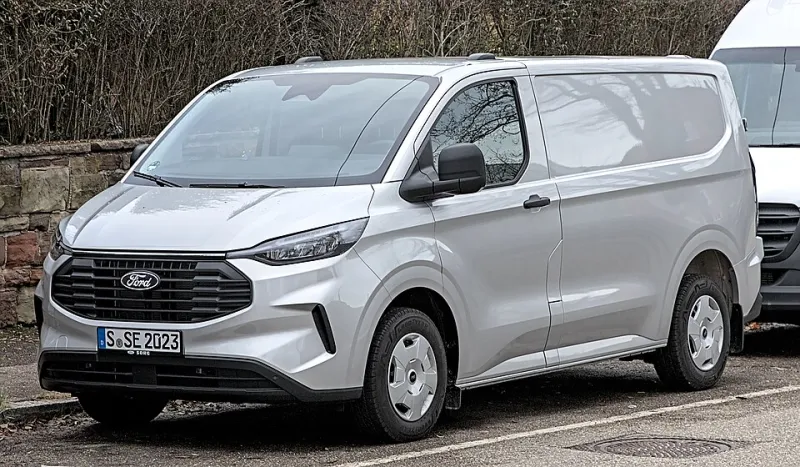
Photo: Alexander-93, CC BY-SA 4.0, via Wikimedia Commons
The Number That Stings
Let's say you spent 14 months and $62,000 building your dream van. Custom mahogany cabinets, a 400-watt solar system, a diesel heater, a composting toilet, and enough LED lighting to rival a boutique hotel. You documented every step on Instagram. People called it stunning.
Then life happens — a job change, a new relationship, a baby on the way — and you need to sell. You list it for $48,000, which feels like a steal given what you put in. Six weeks later, you're fielding offers in the low $30s.
Welcome to the custom van resale trap.
This isn't a rare situation. It's closer to the rule than the exception, and understanding why it happens can save you serious money — whether you're just starting a build or already deep into one.
Why Custom Builds Depreciate Harder Than You'd Expect
Factory vehicles depreciate on a predictable curve. A base Ford Transit or Ram ProMaster loses value steadily, and buyers can comparison shop easily because the specs are standardized. Custom builds don't work that way.
When someone buys a used converted van, they're not just buying the vehicle — they're buying your vision. And there's a decent chance your vision doesn't match theirs.
That handcrafted walnut dinette you love? The next buyer might see a bulky bench that eats up floor space. Your elaborate two-zone climate system? They're worried about what happens when one zone fails. The more bespoke the build, the narrower the pool of buyers who'll see it as an asset rather than a liability.
Marketplace data from platforms like Outdoorsy, Facebook Marketplace, and specialty van-life forums consistently shows that heavily customized conversions sell for 40 to 55 percent of their total build cost when all-in expenses are factored in. A $70,000 conversion on a five-year-old Transit might realistically move for $32,000 to $38,000 in a normal market.
Compare that to a clean, high-mileage Transit with a basic bed platform and some storage — something a buyer can easily modify to their taste — which might actually hold closer to 65 percent of its combined vehicle and conversion value.
The Customization Cost Illusion
Here's the math problem most builders skip: the money you spend on a conversion doesn't add dollar-for-dollar to resale value. It rarely even comes close.
Laboris a big part of why. If you hired a professional shop to do your build, a significant chunk of that $60K went to skilled tradespeople — electricians, woodworkers, fabricators. That labor doesn't transfer to the buyer. They're not paying for the hours it took; they're paying for what they see and what they can use.
Materials depreciate too. That $3,000 Webasto diesel heater you installed two years ago? It's now a two-year-old used heater with wear on it, regardless of how well you maintained it. Buyers will price it accordingly.
And then there's the taste factor. Highly personalized aesthetic choices — bold paint colors, unusual layouts, novelty features — can actively reduce your buyer pool. The van life community is passionate, but it's also opinionated. What reads as creative to one person reads as someone else's problem to another.
What Actually Holds Value
Not everything you add to a van is a financial black hole. Some upgrades do retain meaningful value because they're practical, transferable, and desirable across a wide range of buyers.
Mechanical upgrades tend to hold up well. A newer engine, fresh transmission work, upgraded suspension, or a recent lift are things virtually every buyer cares about. These improvements widen your market rather than narrowing it.
Quality electrical systems — especially clean, well-documented solar setups with lithium batteries — hold decent value because buyers understand what they're getting and the components are standardized enough to service or expand later.
Neutral, flexible interiors fare better than highly stylized ones. Think modular furniture, neutral color palettes, and layouts that don't box the next owner into one way of living. A simple, well-built platform bed with storage underneath is more universally appealing than a built-in dinette that locks in a specific floorplan.
Low miles and strong maintenance records matter more than almost anything else. A buyer who might balk at your taste in cabinetry will still pay a premium for a mechanically sound vehicle with a clear service history.
When Going Vanilla Is the Smarter Play
If resale value matters to you — and it should, even if van life feels permanent right now — there's a strong case for keeping things simple.
A well-maintained Transit or Sprinter with a clean, functional interior and solid mechanical condition will almost always be easier to sell than a fully loaded custom build. You might even consider a modular approach: invest in removable components rather than permanent builds. Bolt-in furniture systems, removable panels, and flexible storage solutions let you enjoy the van on your terms while preserving more options for the next owner.
This isn't about building a boring van. It's about being honest with yourself about the financial reality of what you're creating. If you're building for the long haul and resale is years away, build what makes you happy. But if there's any chance you'll need to move the van in the next two to three years, restraint pays.
Build Smart, Not Just Beautiful
The van conversion world is full of gorgeous builds that make total financial sense as long as you never sell them. The moment you try to recoup your investment on the open market, the math gets humbling fast.
The builders who come out ahead are the ones who think about the next owner from day one — not as a constraint on creativity, but as a discipline that produces cleaner, more universally useful builds. They choose quality over novelty, flexibility over permanence, and mechanical integrity over aesthetic flourish.
Your van should be built for the road and designed for your life. Just make sure it's also designed for eventual reality.