When the Algorithm Becomes Your Landlord: The Real Price of Van Life Content Creation

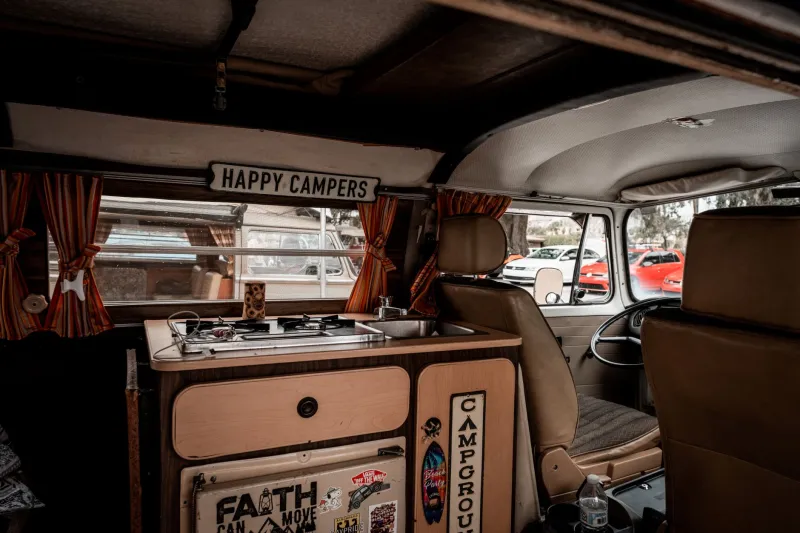
Photo by Photo by Hoang M Nguyen on Unsplash on Unsplash
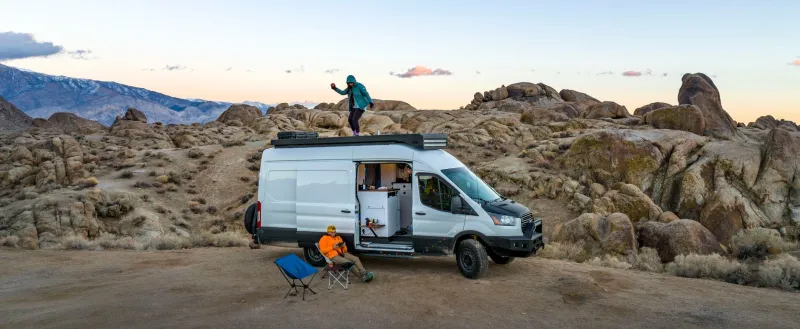
There's a moment a lot of van lifers describe with a kind of quiet shame. You've pulled into a jaw-dropping campsite — red rock formations catching the last twenty minutes of golden light, total silence except for the wind — and instead of just sitting there and breathing it in, you're mentally storyboarding. Wide shot first. Then the interior. Maybe a time-lapse of the sunset for the reel.
The van is still beautiful. The location is still incredible. But somewhere along the way, you stopped living inside the experience and started producing it.
This is the conversation the van life community doesn't have nearly enough. Not the romantic version of "making money while you travel" — but what actually happens to your relationship with your home, your partner, and your own head when the van becomes content infrastructure.
The Math Most Van Life Creators Don't Show You
Let's start with the numbers, because the financial mythology around van life influencing is genuinely wild.
The average Instagram creator with under 50,000 followers earns somewhere between $100 and $500 per sponsored post, according to influencer marketing platform data compiled by Influencer Marketing Hub. YouTube ad revenue for a channel pulling 100,000 views per month — which takes most creators 18 to 24 months to reach — typically generates between $300 and $700 monthly after platform cuts. Affiliate commissions on van gear? Meaningful only at serious scale.
Now stack that against van life operating costs: fuel averaging $400-600 a month for active travelers, van maintenance and repairs (budget $150-300 monthly minimum for anything over 100,000 miles), campsite fees, food, health insurance, and the camera gear, editing software, and mobile data plans that content creation actually requires.
The honest picture is that the overwhelming majority of van life creators are subsidizing their content operation with savings, remote jobs, or a partner's income — not the other way around. The ones actually living off content revenue are a tiny fraction, and most of them will tell you it took three to five years of grinding to get there.
None of this shows up in the "How I Make $8,000 a Month Living in My Van" thumbnails.
What Happens to the Van When It Becomes a Set
Ask anyone who's been deep in the content grind what it does to their relationship with their build, and you'll hear a version of the same story.
Sarah, a former van lifer from Portland who spent three years documenting her Transit build before stepping back from content creation entirely, puts it plainly: "I started making decisions about my van based on what would photograph well, not what would make my life easier. I chose open shelving over closed cabinets because it looked better on camera. I kept the van cleaner and more staged than I would have naturally. It stopped feeling like home and started feeling like a set I happened to sleep in."
This is a subtle but profound shift. Van life, at its best, is about radical intentionality — building a space that's precisely calibrated to how you actually live. The moment you start optimizing for an audience, you're designing for them instead. The build decisions that make for compelling content (dramatic lighting, visible gear walls, open sight lines) aren't always the decisions that make for a comfortable, functional home.
Sponsorships and the Identity Erosion Problem
Brand partnerships introduce a different kind of pressure. When a company pays you to feature their product, you're now accountable to them — their timeline, their talking points, their aesthetic preferences. For a lifestyle built on freedom from external obligations, this is a significant trade.
Marcus, who built and documented two van conversions over four years before transitioning to a stationary workshop teaching build skills, describes the sponsorship creep this way: "It starts with one brand deal that feels aligned with what you're already doing. Then you're doing two. Then you're turning down road trips because you need to post the sponsored content by Friday. You've basically created a job with a boss you can't see and deadlines that interrupt your actual life."
The irony is that the most authentic van life content — the kind that actually builds loyal audiences — tends to come from people who aren't chasing sponsorships. Audiences are perceptive. They can feel the difference between someone genuinely living a life and someone performing one.
How to Build an Audience Without Losing Your Mind (or Your Home)
None of this means you shouldn't document your van life. Sharing the build process, the hard lessons, the beautiful moments — that's genuinely valuable, and it's part of what makes the van life community worth being in.
The difference is in who you're creating for.
Post with a delay. Give yourself 48 to 72 hours between experiencing something and deciding whether to share it. This single habit breaks the reflexive documentation loop and lets you actually inhabit your life first.
Separate your income from your content. If the content has to pay the bills, it will eventually compromise the content. Maintain a remote income stream, a skill-based side business, or savings runway that means you can say no to a brand deal that doesn't feel right.
Be honest about the math publicly. The creators who build the most durable trust with their audiences are the ones willing to talk openly about what van life content actually pays — and what it costs. That transparency is itself a form of valuable content.
Design your van for your life, then document it. Not the other way around. Your build should reflect how you cook, sleep, work, and move — not how a wide-angle lens makes a galley kitchen look.
The Question Worth Asking Before You Hit Record
The van life you're living is yours. The one you're broadcasting is a curated version of it, shaped by platform incentives, audience expectations, and brand requirements that have nothing to do with why you got in the van in the first place.
That's not inherently a problem. But it's worth knowing the difference — and deciding, deliberately, how much of your actual life you're willing to trade for someone else's scroll.
The road doesn't care how many followers you have. It just wants to know if you're actually paying attention.