Your Van Is a Business Waiting to Happen — Here's How to Unlock It
Somewhere between month three and month eighteen, a lot of van lifers hit a wall. Not a metaphorical one — sometimes it's literal, usually a parking garage they forgot about. But more often it's the quiet realization that the lifestyle they built toward isn't exactly what they expected. The freedom is real. The romance? A little more complicated.
The problem is that by the time you're ready to pump the brakes on full-time van life, you're sitting on a custom build that cost serious money and doesn't fit cleanly into any normal resale category. You're not selling a used car. You're not selling real estate. You're somewhere in between, and the market doesn't always know what to do with that.
But here's the thing: that ambiguity cuts both ways. The same features that make your van hard to price on Craigslist make it genuinely compelling to a whole set of buyers, renters, and business operators who are actively looking for exactly what you built.
You just have to know how to position it.
The Short-Term Rental Play
Outdoor Sy, RVshare, and Hipcamp have all quietly grown into real platforms for van and RV owners who want to monetize without selling. If your build is clean, functional, and documented well, you can list it and start generating income without giving up ownership.
The sweet spot on these platforms tends to be vans with solid sleeping setups, reliable electrical systems, and climate control. Renters aren't looking for Instagram perfection — they're looking for confidence that the thing won't break down in Utah. A well-documented solar setup, a fresh water system, and a bed that doesn't require an engineering degree to configure go a long way.
What actually moves the needle on rental platforms:
- Clear, honest photos that show the actual living space, not just the aesthetic shots
- A simple operations manual — renters will love you for it, and it reduces support messages
- Mechanical transparency — recent service records, tire condition, any known quirks
- A defined radius if you're not comfortable with the van leaving your region
Pricing varies wildly by market and season. Vans in the Pacific Northwest can command $150–$250 per night during summer. In the Southwest during shoulder season, expect $100–$175. It's not passive income in the truest sense — you'll be doing turnovers, managing inquiries, handling the occasional repair — but it's real money from an asset you already own.
The Mobile Business Conversion
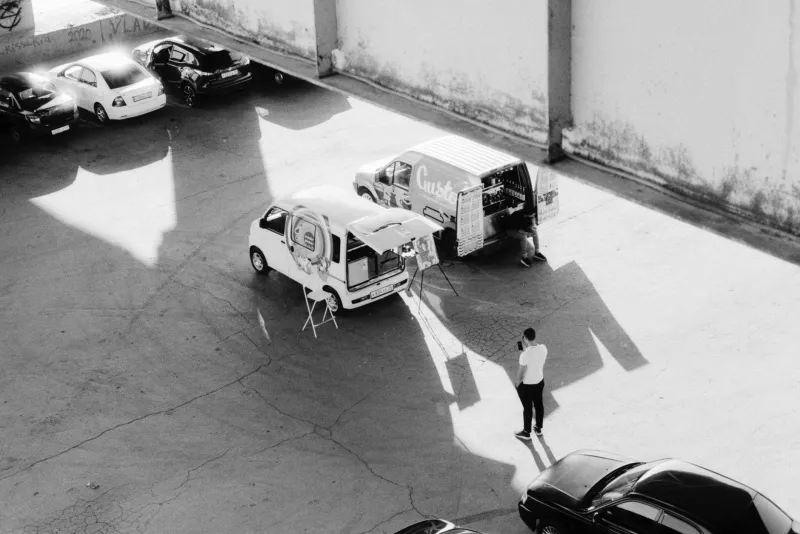
This one requires more imagination, but it's also where custom builds tend to command the best returns. The mobile business market in the US has exploded over the last several years, and not just for food trucks. Think mobile pet grooming, mobile detailing, pop-up retail, massage therapy, photography studios, and even mobile fitness coaching.
If your van has a strong electrical system, climate control, and a layout that could be adapted or reframed as a workspace, you're already most of the way there for a specific type of buyer. These aren't casual weekend warriors — they're entrepreneurs who need a reliable, outfitted vehicle and are willing to pay for one that doesn't require a full ground-up build.
The key is identifying the overlap between what your van already does and what a mobile business needs. A van with a great inverter setup and workbench space is already interesting to a mobile detailer. A tall-roof Transit with good insulation and a clean interior could appeal to a mobile therapist or consultant who meets clients on-site.
You're not retrofitting the van — you're reframing the story of what it already is.
Selling to the Right Niche Buyer
If you want out entirely, the goal is to find the buyer who values exactly what you built, not the one scrolling generic listings looking for a deal.
Van life communities on Reddit, Facebook groups, and dedicated forums like The Vanlife Network are full of people in the research and planning phase who would pay a fair price for a turnkey build. These buyers understand the value of custom work. They know what a quality solar install costs. They're not trying to lowball you because they've done the math themselves.
What helps close the deal with niche buyers:
- A detailed build breakdown — document every system, every component, and what it cost
- Video walkthroughs — a 10-minute YouTube video showing the van lived-in and operational is worth more than a dozen photos
- Maintenance records — niche buyers want confidence, not just aesthetics
- Honest condition reporting — disclose the wear, the quirks, the things you'd fix if you had more time. It builds trust faster than a polished sales pitch.
The Hybrid Approach
Some van owners do all three — rent it out on weekends while they transition back to a home base, use it for occasional personal trips, and keep an eye on the market for the right buyer to come along. It's not a forever strategy, but it's a smart bridge.
The worst move is panic-selling. A custom van that goes to auction or gets listed on Facebook Marketplace without context almost always sells for less than it's worth. The van doesn't speak for itself in those environments. You have to do the work of telling its story.
If you built something thoughtfully — if you made decisions based on function, durability, and real-world use — there's a market for it. The exit doesn't have to be a loss. It just has to be intentional.
That's kind of what the whole van thing was supposed to be about anyway.